Learn Ham Radio Faster and Get On the Air
Clear lessons, practical setup guidance, and focused exam prep for new operators—so you can pass your license test and make real contacts.
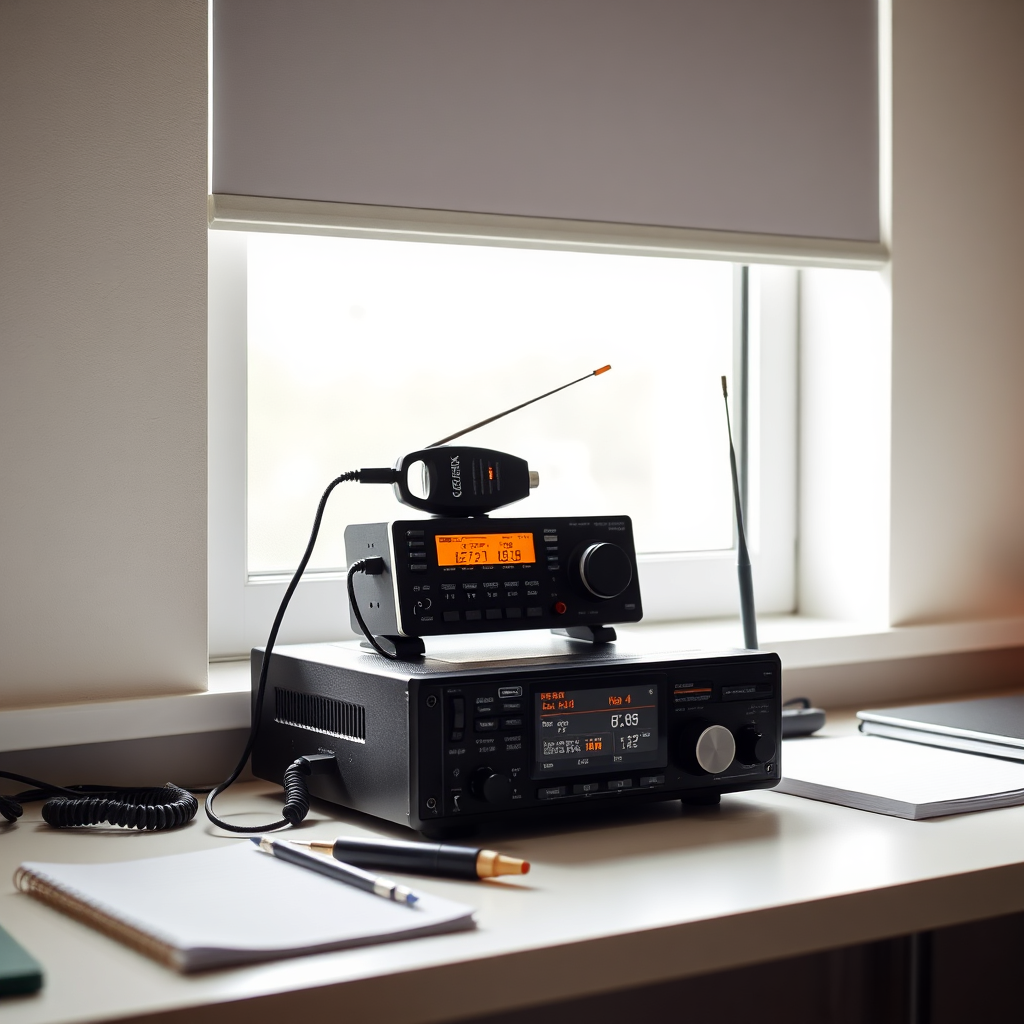
Amateur Radio Learning turns confusing jargon into practical skills. We focus on the concepts that matter—how radios work, how to operate legally and politely, and how to set up a station that actually performs. Whether you’re studying for your first license or upgrading, our bite-sized lessons and practice drills help you learn efficiently and feel confident on the air.
Pick Your License Level
Start with Technician for VHF/UHF and repeaters, then plan an upgrade to General for HF. Compare privileges in a one-page checklist and set a target test date. A clear goal helps you study the right material without overwhelm.
Know the Exam Format
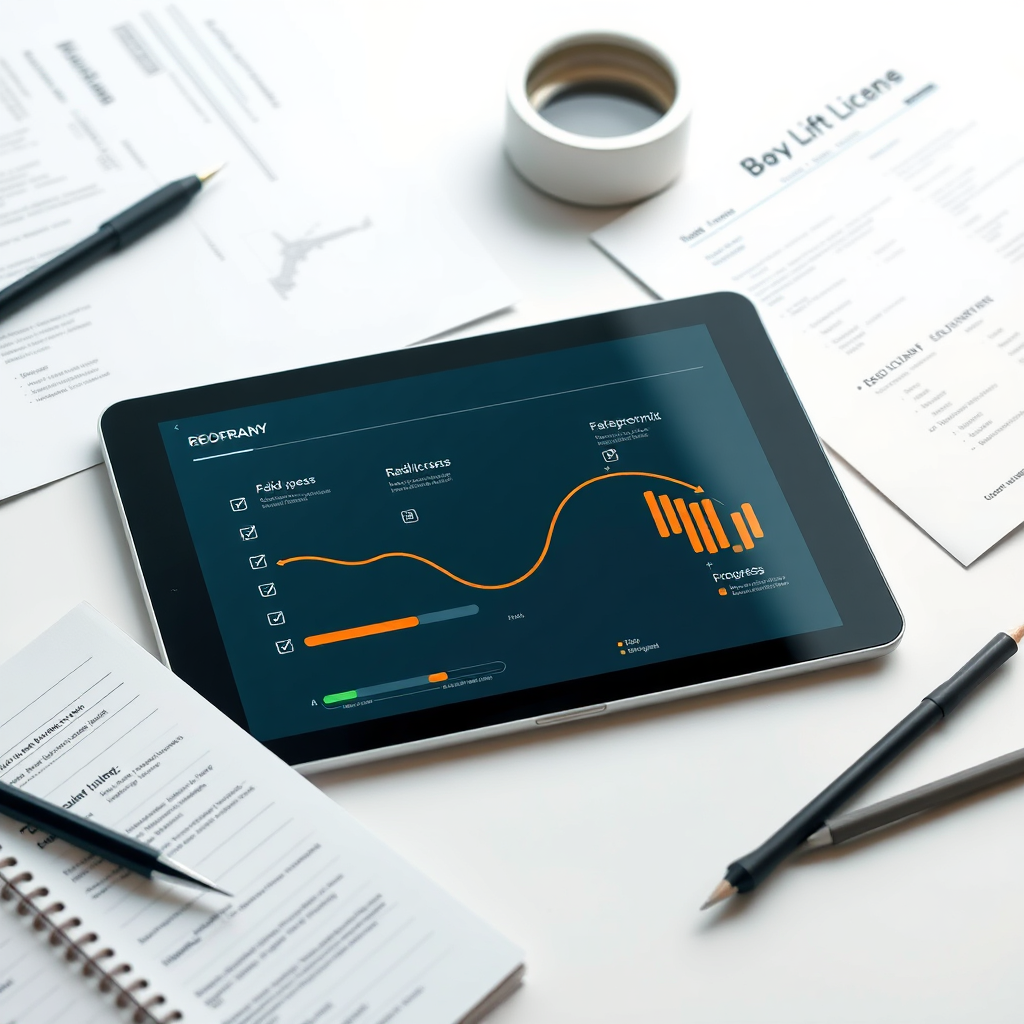
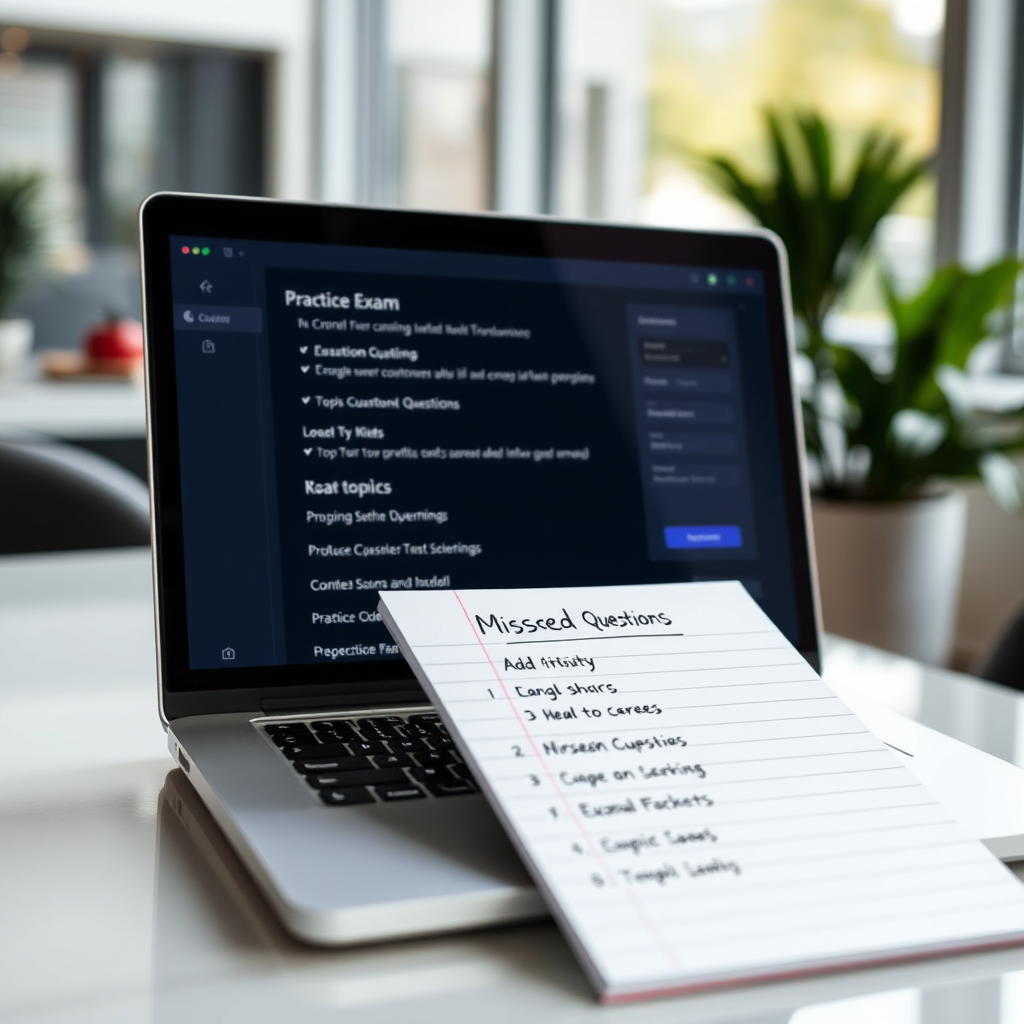
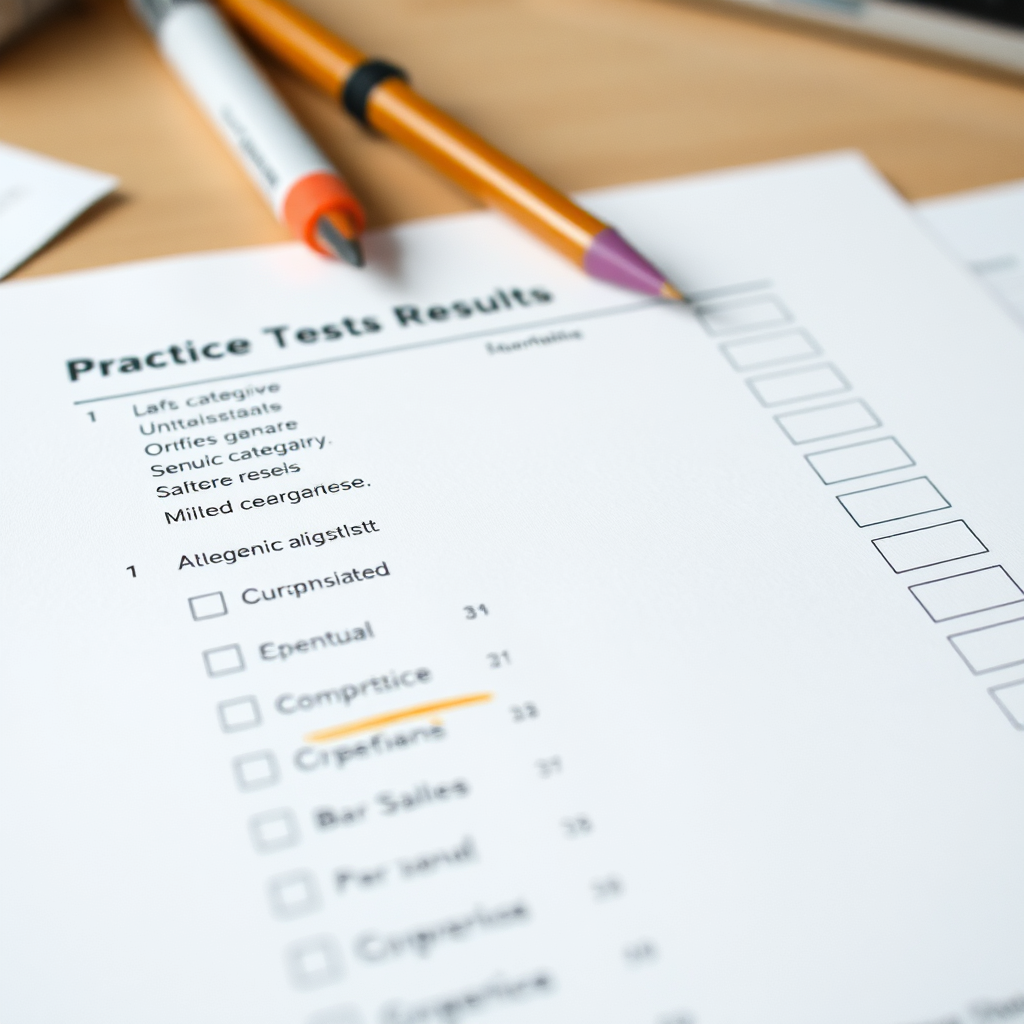
Learn how question pools work, how many questions you’ll see, and the passing score. Use a “missed questions log” to track weak topics (rules, operating, electronics). This turns practice tests into a focused plan instead of random repetition.
Find a Local VE Session
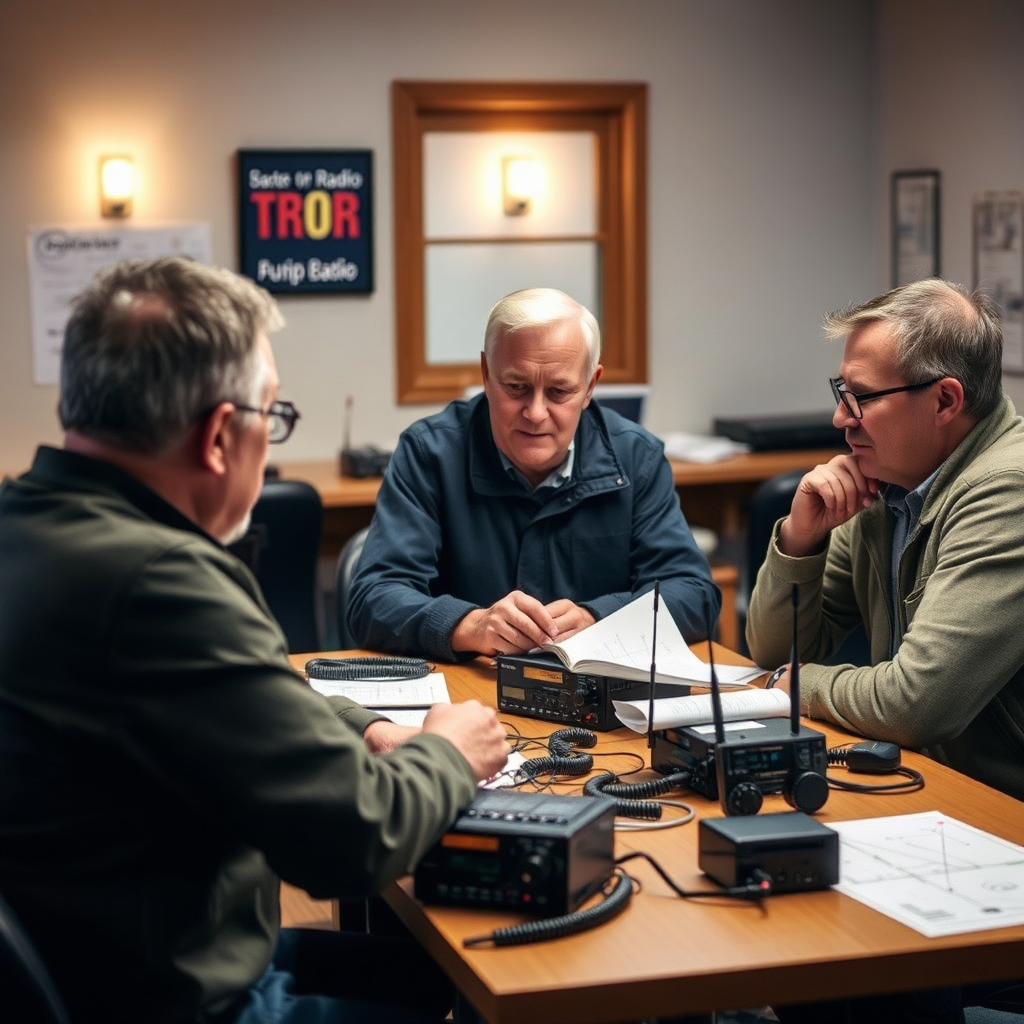
Locate Volunteer Examiner (VE) test sessions, confirm ID requirements, fees, and what to bring. Create a day-of checklist: calculator rules, FRN setup, and timing. Arriving prepared removes stress and improves performance.
Study Smarter: Resources and Practice Exams That Actually Work
Use Active Recall Daily
Study in 15–20 minute blocks: review a concept, then test yourself immediately. Mix rules, operating, and basic electronics to avoid “false confidence.” A short daily routine beats long weekend cramming and keeps progress consistent.
Drill Your Weak Topics
After each practice exam, sort missed questions by concept (not by answer letter). Re-learn the idea, then retest only that category until you reach a stable score. This method improves retention and makes your final scores predictable.
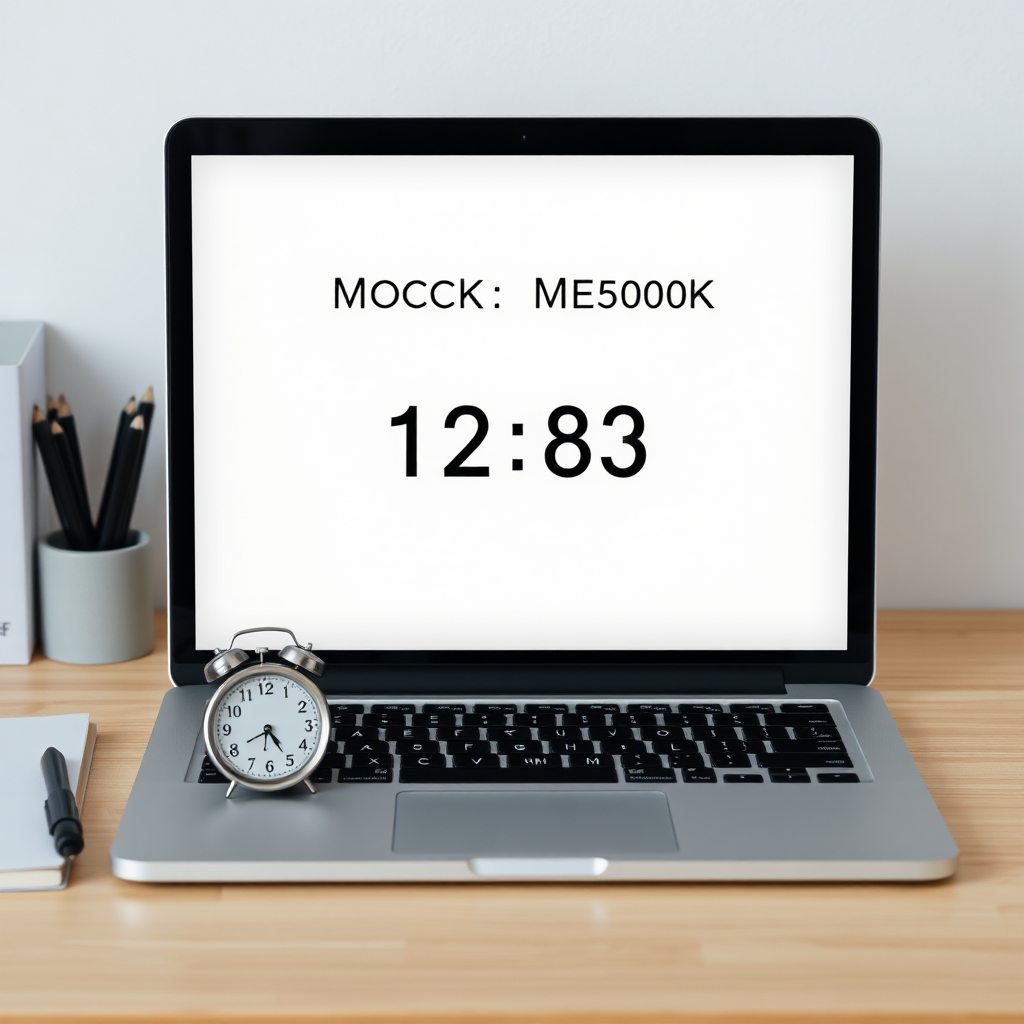
Simulate Test Day Conditions
Take full-length practice tests with a timer, no notes, and minimal distractions. Aim for a comfortable buffer above passing—then stop adding new material and review mistakes only. This builds calm confidence and reduces exam surprises.
Student Success Stories

I tried studying from random videos and kept missing the same questions. The structured plan and missed-question log helped me lock in the weak areas—I passed Technician on my first try.

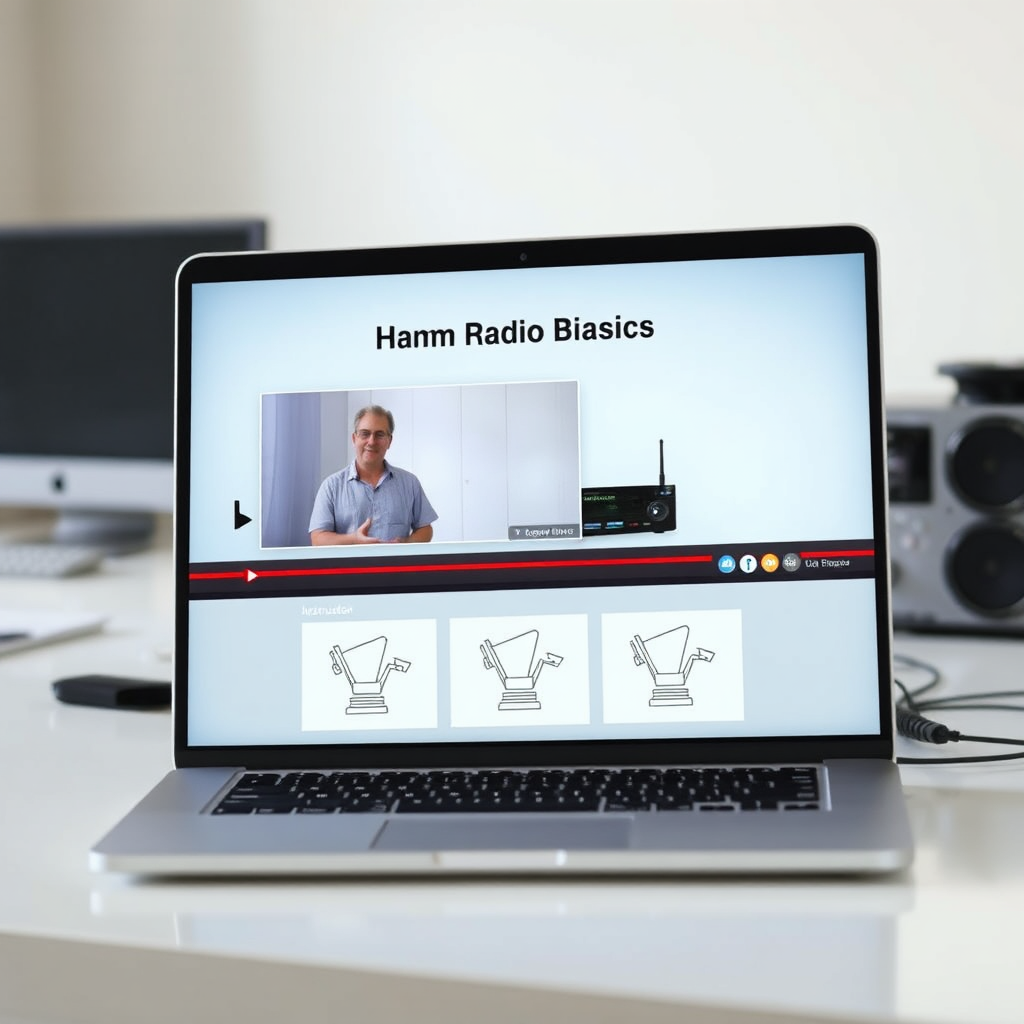
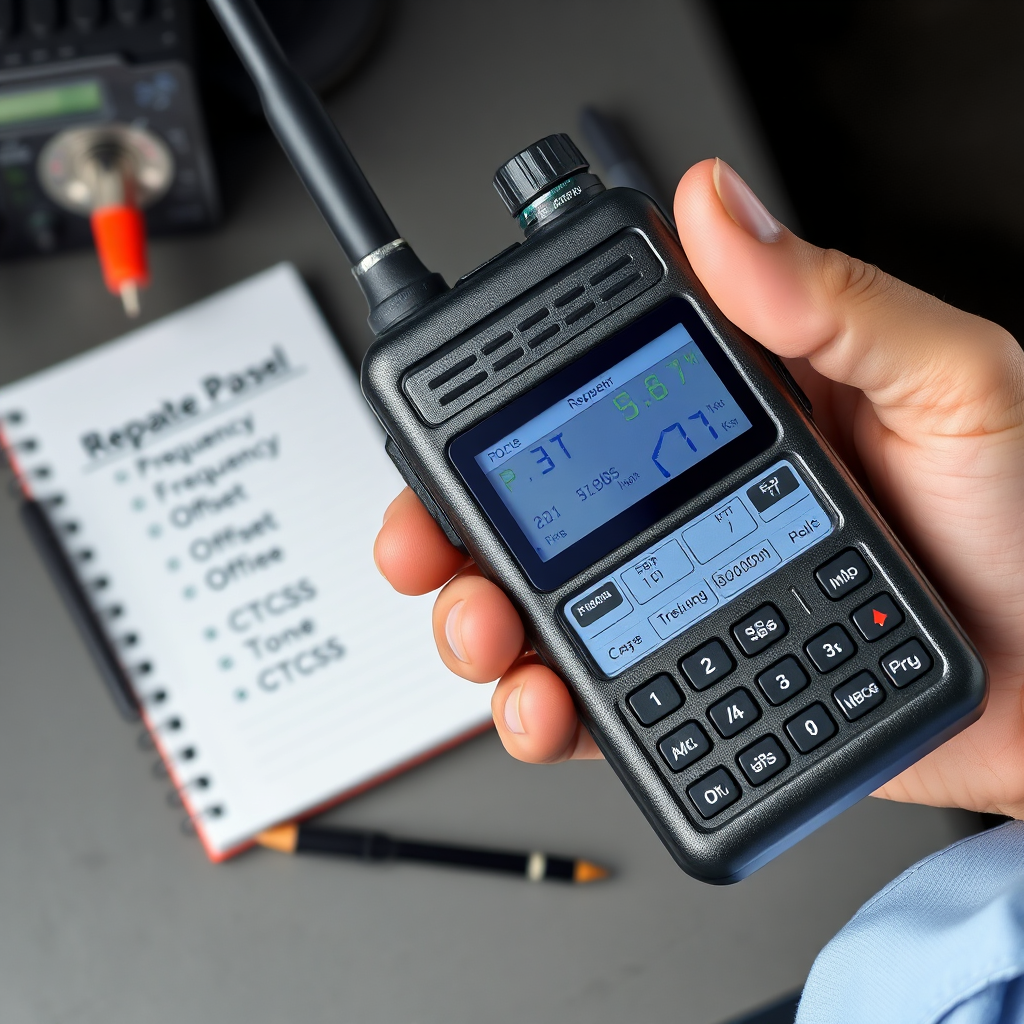
The repeater walkthrough was exactly what I needed. I programmed my first local repeater in minutes and made my first contact that evening without feeling awkward on the mic.

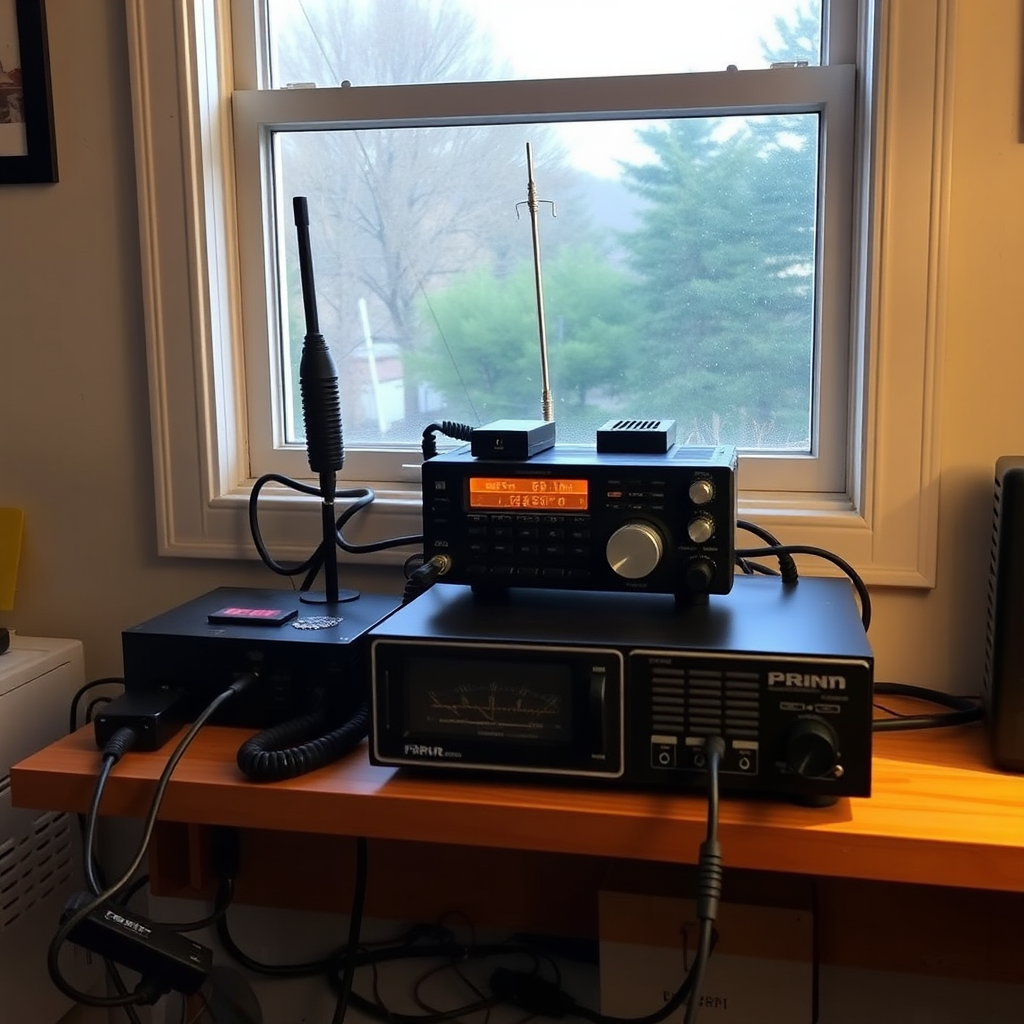
Station setup guidance saved me money. I focused on a better antenna instead of extra accessories, and my signal reports improved immediately. Clear, practical advice throughout.